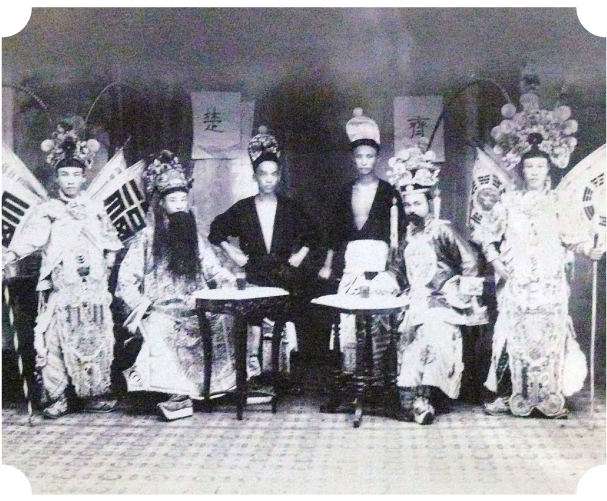
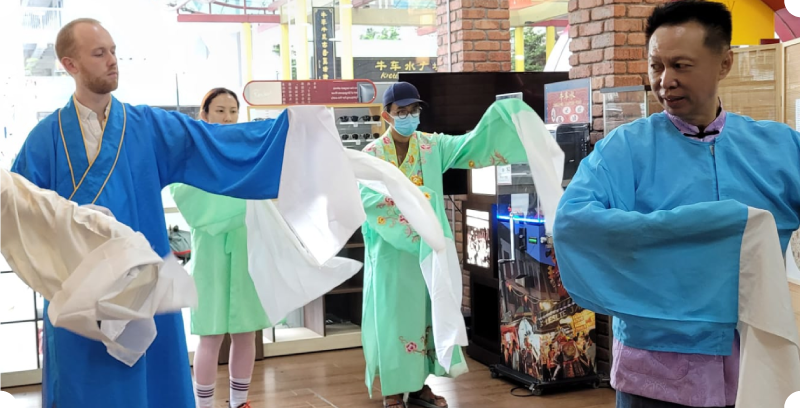
Cantonese opera, a vibrant theatrical tradition originating in Guangdong, China, boasts a rich history dating back to the Ming Dynasty, with the oldest guild for performers set up during the Wanli Emperor’s reign (1573–1620). By the Qing Dynasty, it had become a cornerstone of cultural life.
However, a failed rebellion in 1854 against the Qing government led to severe suppression of Cantonese opera. Authorities destroyed the organisation known as Qionghua Huiguan, and performers were forced into exile or hiding. One man by the name of Liang Qingji, who once belonged to Qionghua, set up Jiqing Gongsuo in Guangzhou
instead to arrange for performances, and this soon evolved into Bahe Huiguan.
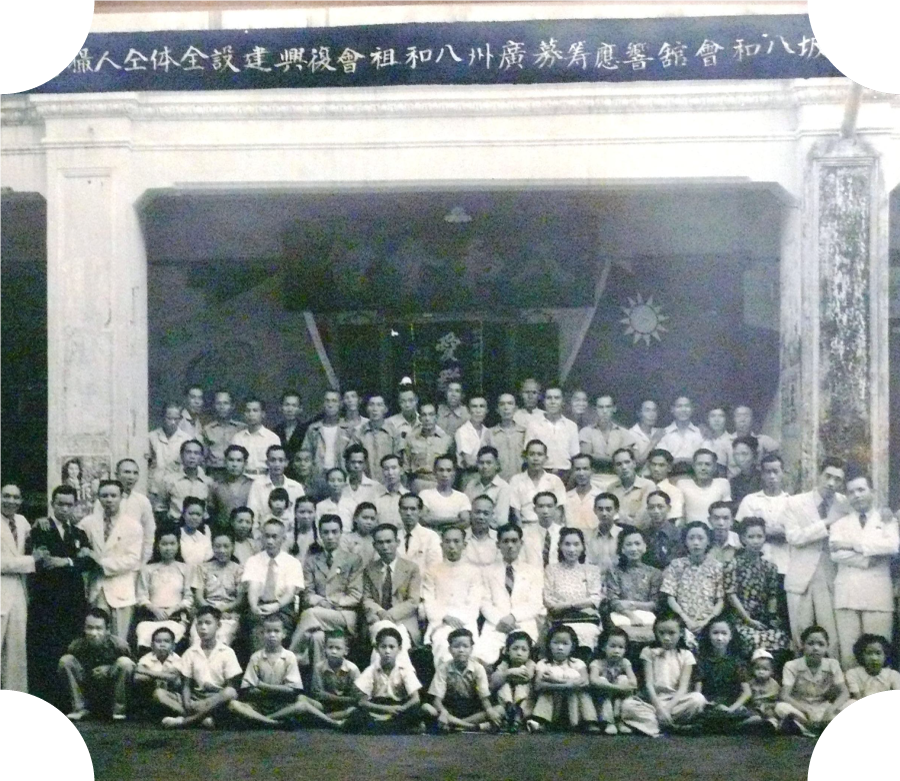
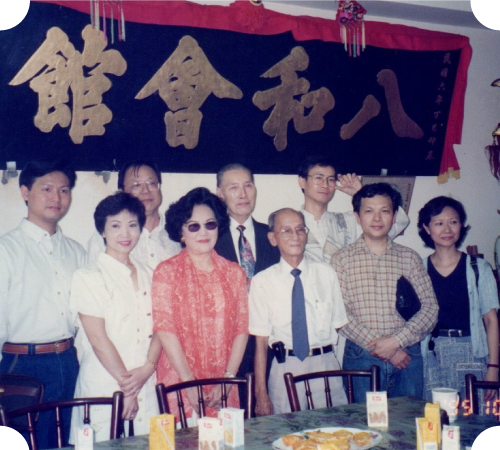
Established in Singapore in 1857, Pat Wo Wui Kun has served as a vital hub for Cantonese opera over more than one and a half centuries. It provides a stage for local and international artists, fostering collaboration and cultural exchange. Despite the dwindling number of full-time performers, Pat Wo Wui Kun remains dedicated to preserving and promoting this cherished art form.
The name “Pat Wo” translates to “eight harmonies,” symbolizing the unity among eight divisions of role types or professions within the Cantonese opera community, each playing a part in performances.
Through annual performances and international collaborations, Pat Wo Wui Kun strives to maintain a vibrant Cantonese opera scene. By showcasing the art form’s historical significance and cultural value, we aim to ensure its continued flourishing for generations to come.
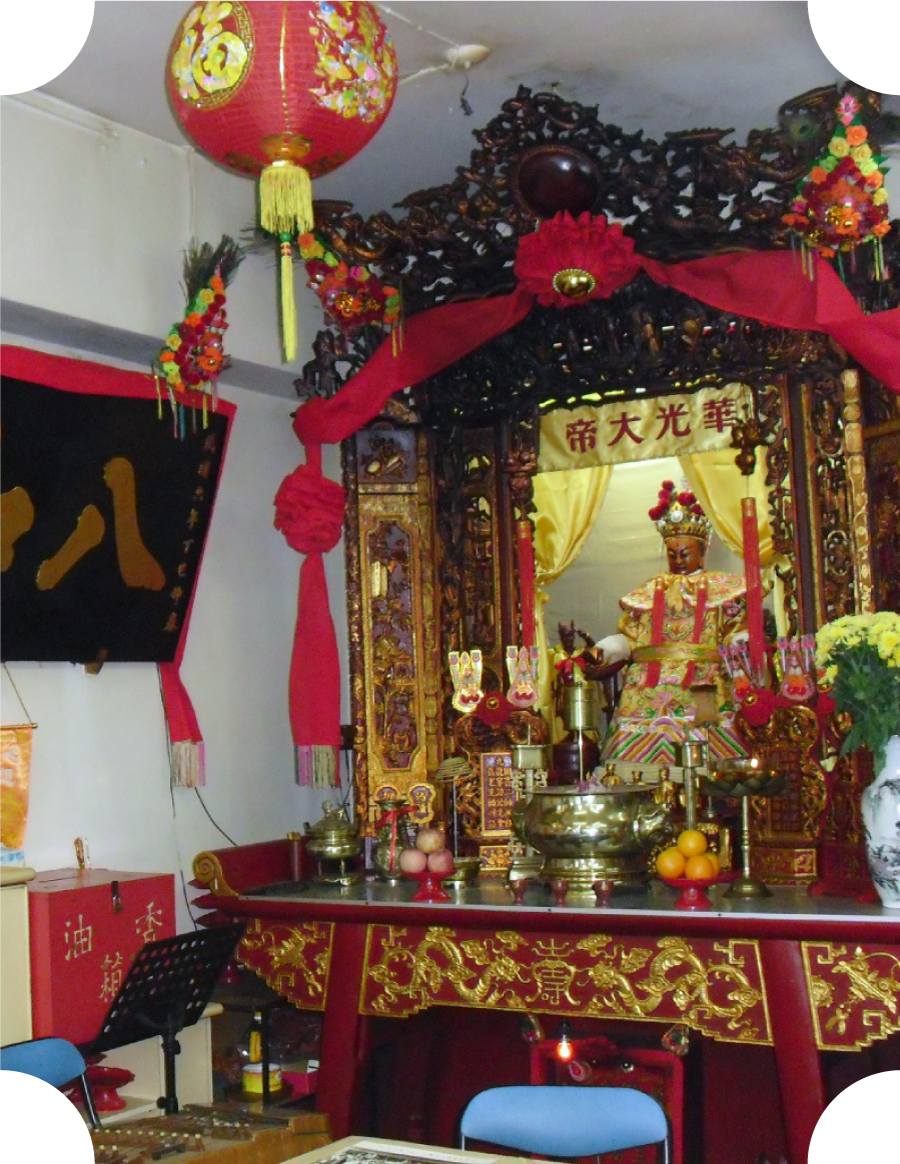
One cornerstone of Cantonese opera tradition is the deep reverence for teachers. Every year, on the 24th day of the 3rd month and the 28th day of the 9th month in the Chinese calendar, , performers across the Guangdong region gather to honor their patron deities, a testament to the enduring legacy of this remarkable art form.
广东粤剧,源于中国广东,是一项充满活力的戏剧传统,历史悠久可追溯到明朝中叶。万历年间(1573–1620)已出现称为琼花会馆的艺人行会,这就可见一斑。到清朝,粤剧已成为文化生活的重要基石。
然而,咸丰四年(1854)一场反清起义失败,牵连粤剧活动遭到严厉镇压。当局摧毁了琼花会馆,演员被迫流亡或躲藏。有的广府戏艺人打着外江班的旗号来演出,其中原是琼花会馆一分子的梁清吉又在广州成立“吉庆公所”来接戏,后来演变为著名的八和会馆。
八和会馆于1857年在新加坡成立,超过一个半世纪以来一直代表了粤剧的重要大本营。它为本地和国际艺术家提供平台,促进合作和文化交流。尽管全职表演者人数不断减少,八和会馆仍致力于保护和推广这一珍贵的艺术形式。
“八和”会馆的命名,有八方和合,和衷共济的寓意,象征着八个堂口,包括小生、武生、旦角、花面、丑角、棚面师傅等等戏行八种不同专业之间的团结,每种职能对于演出都发挥着至关重要的作用。
通过年度演出和国际合作,八和会馆努力维持一个充满活力的粤剧舞台。通过展示传统艺术形式的历史意义和文化价值,我们旨在确保粤剧艺术在未来几代人中继续蓬勃发展。
粤剧传统的一个基石是对导师的深深敬意。每年农历三月廿四日(田窦二师宝诞)和九月廿八日(华光先师宝诞),粤港澳各地的表演者都会聚集在一起,向祖师爷致敬,亦代表了一种尊师重道的传统精神。